
If you’re thinking about launching a thought leadership podcast, we’ll walk you through how to start smart and avoid becoming “just another show”.
1. Get clear on your strategic outcome (not just your topic)
Your podcast needs to have a primary goal - a main outcome from the investment you’re making. You need to define who your target audience is and what problem your podcast solves for them.
Perhaps you’re looking to increase inbound leads for your business, become an industry authority, develop partnerships or increase investor visibility. Whatever your goal is, you need to be clear on what business result your podcast should drive.
Your show is not content for content’s sake. It’s a positioning tool.
2. Define a narrow and powerful niche
The biggest mistake new hosts make is trying to appeal to everyone. Instead of choosing a general area i.e. "A marketing podcast’’ or "A business podcast", hone in on a niche topic that speaks to a direct audience segment.
By narrowing down, your podcast will attract the right guests and position you as a specialist.
3. Choose a format that supports authority
Not all formats position you the same way:
Solo episodes
- Strong authority positioning
- Faster to produce
- Harder if you’re not comfortable speaking alone
Guest interviews
- Great for network building
- Easier to sustain
- Can dilute positioning if not curated carefully
Hybrid model
- 2 guest episodes per month
- 1 solo “insight” episode per month
By having a hybrid model, you can leverage your network, have clear intellectual ownership and thought leadership depth.
4. Design episodes around insight, not stories alone
Don’t get us wrong, we love storytelling. It’s what we incorporate in every video we produce. And storytelling is what engages your followers and makes your podcast unique to you. But, if you want to be seen as a thought leader, you also need to interpret. Every episode should answer:
- What belief am I challenging?
- What framework am I teaching?
- What insight can’t people get from a Google search?
Content that addresses the above will help you stand out, build a following and keep your audience coming back for more insight.
5. Use guests strategically (this is where the magic happens)
A podcast is one of the best warm outreach tools you’ll ever have as your podcast becomes a relationship accelerator. You can invite ideal clients, industry influencers, complementary service providers, and potential partners.
After the episode, follow up with a thank you note, send podcast clips and encourage your guests to share on their own marketing channels for increased reach.
6. Think in series (not forever)
It can be easy to feel overwhelmed once you start planning your podcast so instead of thinking of forever, commit to your first season - Season 1: 12 episodes in 12 weeks. By planning a series at a time, it reduces pressure, creates momentum, allows iteration.
After 12 episodes, you can review listener feedback, number of subscribers, and business impact. You can see which episodes were engaged with the most and see if there’s a pattern as this tells you what your audience are particularly interested in.
7. Choose the right tech
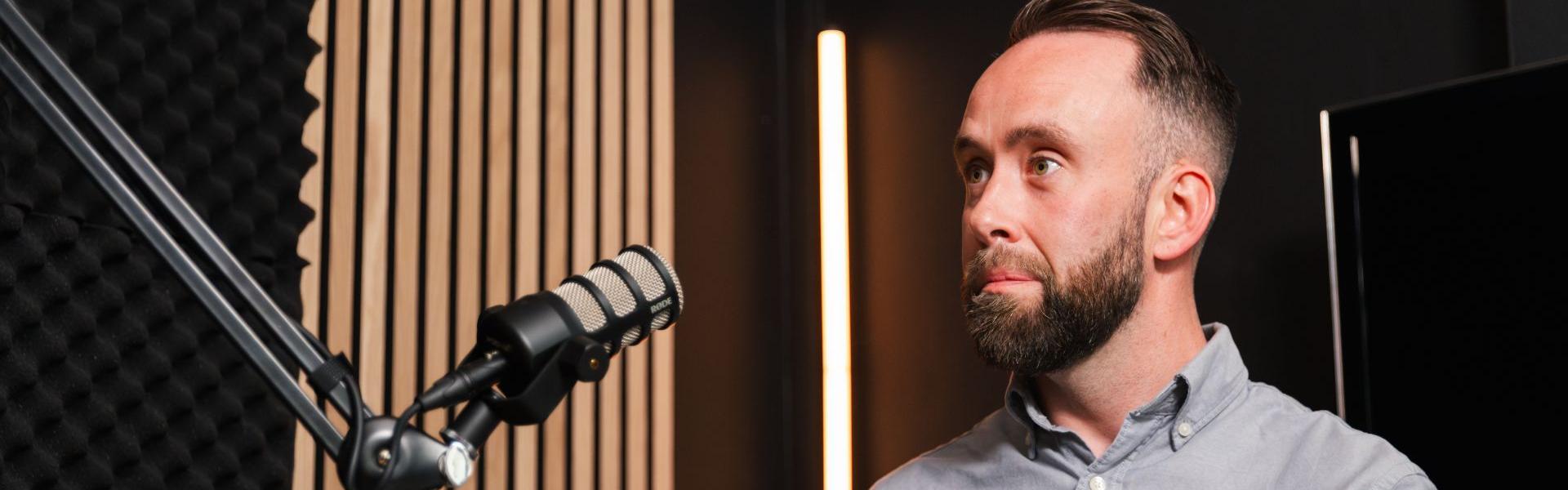
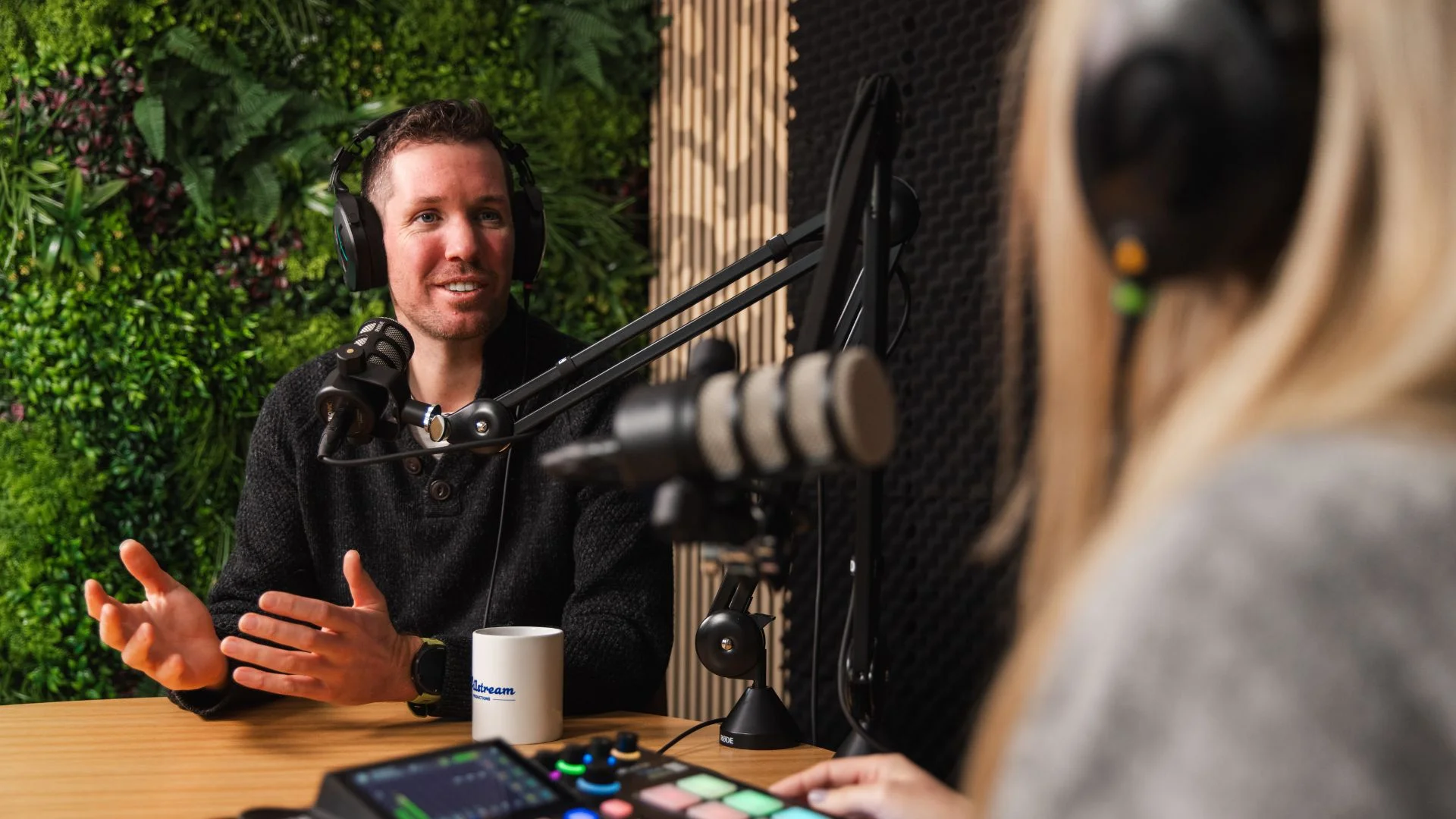
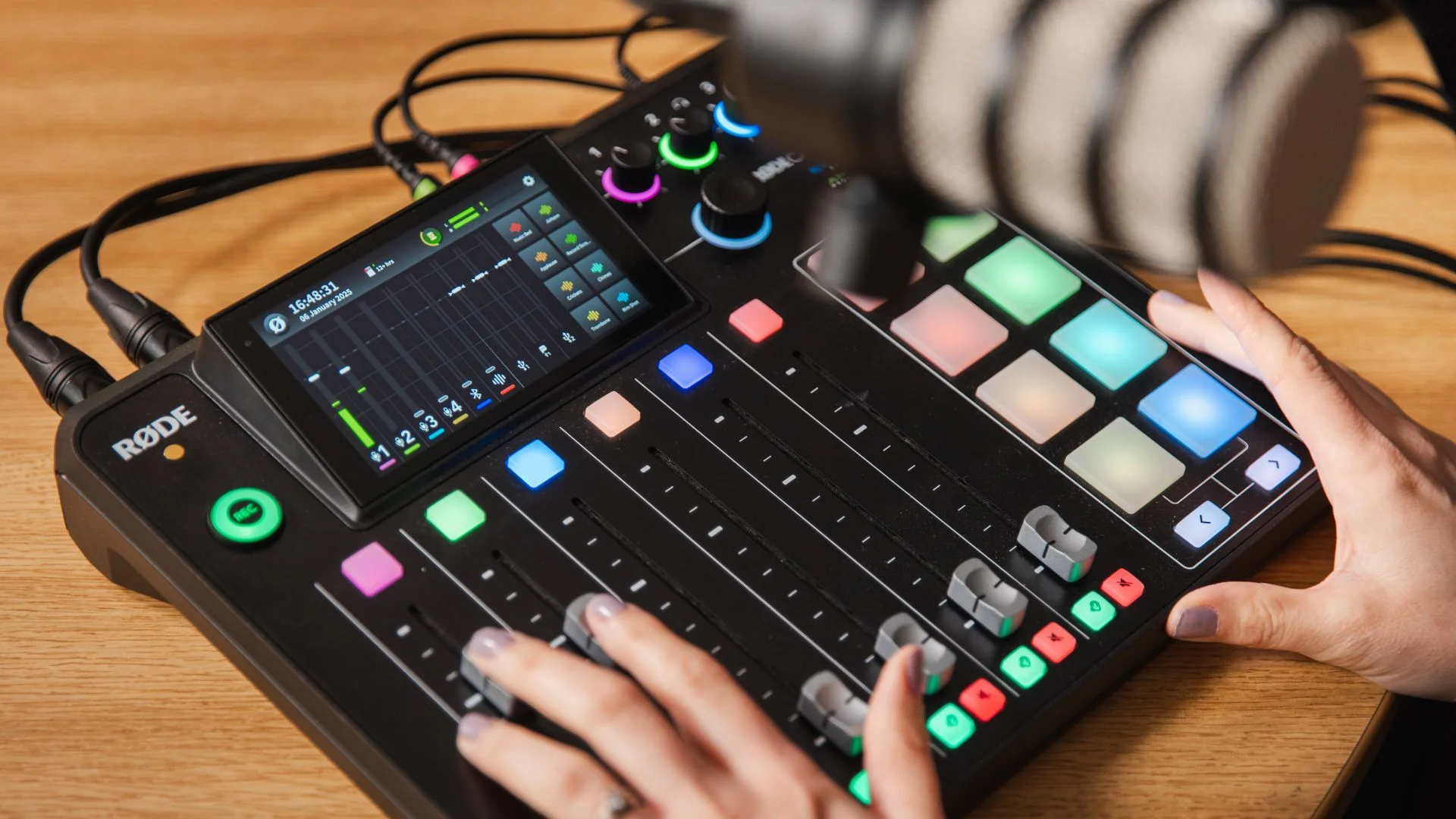
There’s nothing stopping you from buying a mic and setting up at home. But, if you’re starting a thought leadership podcast and want your audience to see you as authoritative, we would recommend recording in a professional studio that not only looks premium, but offers a quality recording service.
You are positioning yourself as a knowledgeable, industry leader and your set-up should reflect this. A professional set up is also essential if you’re planning on inviting guests onto your podcast.
We can help you achieve a premium podcast. We have a dedicated podcast recording studio located in Emsworth, Hampshire, that you can hire per hour. Included is audio recording and filming equipment and we also offer the option to edit your podcast.
8. Promote like a media company
Most podcasts fail because they aren’t marketed. Your distribution plan should include:
- LinkedIn posts (especially for B2B)
- Email newsletter features
- Short-form video clips
- Guest cross-promotion
- Website embedding
One 45-minute episode alone can become:
- 5 LinkedIn posts
- 10 short clips
- 1 blog
- 1 newsletter feature
- 3 quote graphics
Record once, repurpose aggressively. Make the content work hard for you.
Part of our podcast all-in-one service includes distribution across multiple streaming platforms and providing analytics on listener data etc.
9. Measure what actually matters
Downloads are vanity metrics. More meaningful signals include:
- Inbound messages referencing episodes
- Guest relationship depth
- Speaking requests
- Sales conversations influenced by the show
- Email subscriber growth
How you determine ROI on your podcast depends on your primary goal. For example, if you’re aiming to increase inbound leads, look at the number of people who get in touch with you. If you’re looking for investor visibility, look at the quality of companies or individuals reaching out to you.
10. Commit for 6 - 12 months
If you treat your podcast like a marketing experiment, it will behave like one. If you treat it like an asset, it will become one. Your first few episodes will be far from perfect, awkward even, while you get used to speaking and recording. But give it time as your confidence will grow and you can use your episodes for serious positioning.
Finally, your podcast is a strategic asset, not a hobby
The ROI of a thought leadership podcast isn’t revenue, it’s reputation, relationships, relevance, reach. When done well, it becomes your voice in the market, your intellectual property engine, and your trust builder at scale.
And in a world crowded with content, sustained clarity and consistency are rare. That alone can differentiate you.
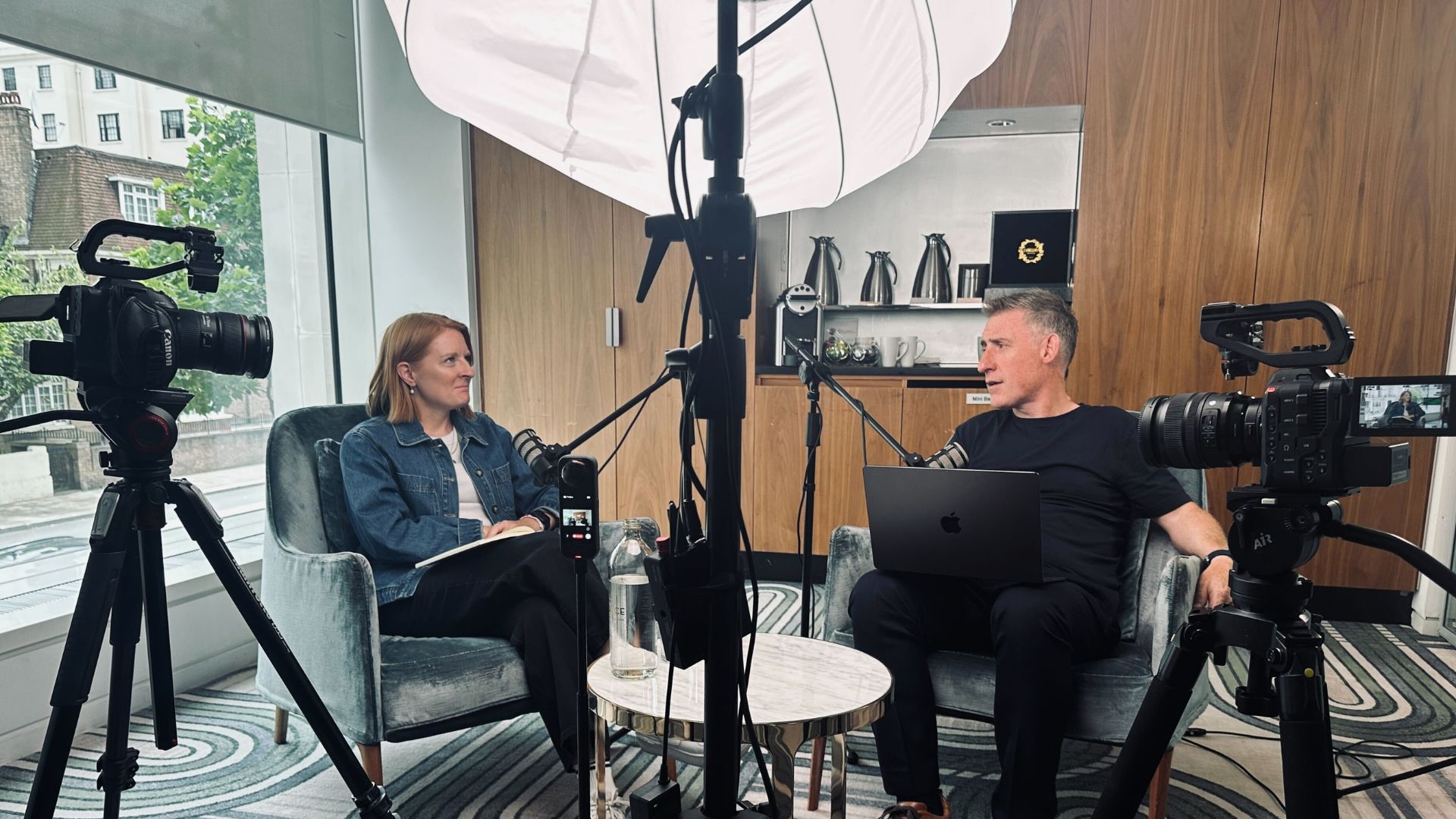
If you’re looking for a professional podcast service, our Hampshire-based recording studio is the ideal place to capture quality audio and footage that you can repurpose. We offer the studio on a hire-only basis or our full service which includes recording, filming, editing and distribution (optional).
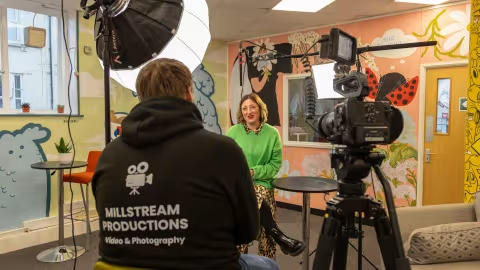
Want to film where you are? No problem. We can bring our podcast recording service to you.
Get in touch with the team today to book your session or a visit to the studio in Emsworth.